Rental guide · July 22, 2026
Who Pays for a Rental Car After Accident Repair?
Need a rental car after accident repair? Learn who may pay, what insurance covers, and how to keep moving while your vehicle is in the shop without delays.
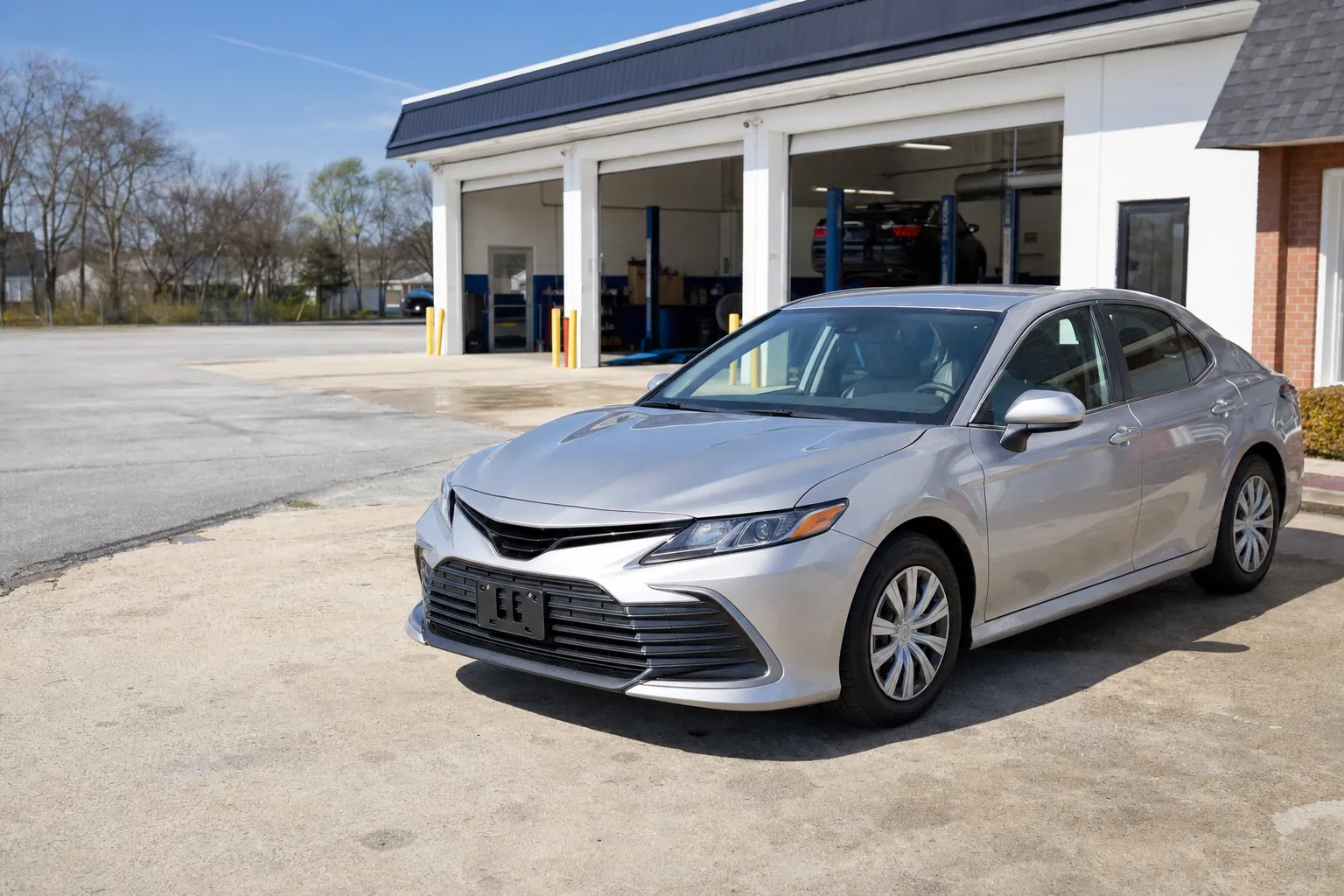
A rental car after accident repair is not a luxury when you still need to get to work, pick up children, make appointments, and handle everyday errands. The hard part is often not finding a car. It is figuring out who is responsible for the cost, how long coverage lasts, and what to do before your vehicle is ready.
The answer depends on the accident, the insurance policies involved, and the repair timeline. A little preparation can prevent a repair-shop delay from becoming a transportation problem.
Who Usually Pays for a Rental Car After Accident Repair?
If another driver caused the accident, their liability insurance may pay for a comparable rental vehicle while your car is being repaired. In a straightforward claim, the other insurer reviews the damage, accepts responsibility, and authorizes the rental. That sounds simple, but it can take time if fault is disputed or the claim is still under review.
If you caused the accident, rental coverage may come from your own policy if you purchased rental reimbursement coverage. This is often an optional add-on to collision or comprehensive insurance. It usually pays a set dollar amount per day, up to a total limit. For example, a policy may cover a certain daily rental rate for up to 30 days, but every policy is different.
If the accident involved an uninsured or underinsured driver, your options depend on your coverage and state rules. Your own insurer may be able to help under certain parts of your policy, but you should confirm the details before assuming a rental is covered.
There is also a practical middle ground: you may need to rent a vehicle yourself while the insurance companies sort out the claim. Keep every rental agreement and receipt. If another party is later found responsible, those records may support a request for reimbursement. Approval is never automatic, so ask the adjuster before committing to a rental cost you cannot comfortably carry.
Do not wait for the repair shop to call
As soon as you know your vehicle cannot be driven safely, contact the insurance company or claims adjuster. Ask direct questions: Is rental reimbursement included? What is the daily limit? Is there a maximum number of covered days? Do I need to use a specific rental company? Is direct billing available?
Write down the claim number, the adjuster's name, and any rental authorization number. If an insurer is paying directly, the rental company may need that information at pickup. If you are paying first, you need to know exactly what the insurer will and will not reimburse.
How Long Can You Keep the Rental?
Insurance rental coverage is generally tied to a reasonable repair period, not simply the date you want your vehicle back. That period may include the time needed for an estimate, parts, labor, and final repairs. It can also be affected by delays outside your control, such as backordered parts or a repair shop's schedule.
Still, coverage does have limits. Your insurer may stop paying when repairs are complete, when your policy's dollar limit is reached, or when a vehicle is declared a total loss. With a total loss, rental coverage often ends shortly after the insurer makes a settlement offer, rather than continuing until you purchase another car.
This is where communication matters. Check in with the repair shop for realistic updates, especially if parts are delayed. Then give those updates to the adjuster before the authorized rental period runs out. An extension may be possible, but it should be approved before you add more rental days.
Choose a vehicle that fits the approved rate
Insurance companies usually authorize a vehicle comparable to the one you normally drive. If you drive a basic sedan, coverage may not stretch to a premium SUV or specialty vehicle. A larger vehicle may still make sense if you need room for car seats, work equipment, or mobility needs, but ask the adjuster whether the higher rate is approved.
If you choose a vehicle above the covered daily amount, you may be responsible for the difference. That can be a fair trade-off when your household needs more space, but it is better to make that decision with the full cost in front of you.
What to Bring When You Pick Up Your Rental Car
A fast pickup starts with having the basics ready. Bring a valid driver's license, your insurance information, claim details if insurance is involved, and the payment method required for the rental. Even when an insurer is covering the rental rate, a deposit or card may be needed for incidentals, fuel, damage not covered by the claim, or extra rental time.
Read the rental agreement before leaving the lot. Confirm the daily rate, the insurance authorization, the return date, fuel expectations, and who can drive the vehicle. If a spouse, adult child, or coworker may need to drive, ask about adding them before they take the wheel. An unapproved driver can create a serious problem if something happens.
Inspect the vehicle with the rental representative. Note existing scratches, dents, windshield marks, and the fuel level. Taking a few clear photos at pickup is a simple way to avoid confusion later.
Watch for Costs Insurance May Not Cover
A claim-approved rental does not always mean every cost is paid. The insurer may cover the base rental rate but not optional upgrades, extra protection products, fuel charges, tolls, tickets, late-return fees, or a higher vehicle class. Your policy may also have a daily limit that falls short of the available rental rate.
Mileage is another detail worth checking. If you are commuting from Hickory to a job site in Morganton, Statesville, or another nearby county while your car is in the shop, miles can add up quickly. A rental with unlimited miles can make the cost easier to understand and avoid an unexpected mileage charge.
Ask the rental agency to explain the payment process in plain terms. Local renters may also need flexible payment options when a claim is pending or an insurer is reimbursing later. Economy Car Rental accepts cash, debit, and credit card payments, helping customers get dependable transportation without relying on a credit-card-only process.
If the Other Insurance Company Is Delaying
A delayed liability decision can leave you stuck between a damaged vehicle and an unanswered claim. Start by asking your own insurer whether rental reimbursement coverage is available under your policy. Using your own coverage may get you back on the road faster, though a deductible or later reimbursement question may apply depending on the claim.
You can also rent at your own expense if you need transportation immediately. Keep the rental within reason for your needs, save all paperwork, and avoid assuming you will recover every dollar. The other insurer may reimburse reasonable rental expenses if its driver is found at fault, but claims are decided case by case.
Be clear and calm when following up. Ask what information is missing, when a decision is expected, and whether the insurer can provide a written update. Regular follow-up is more useful than waiting until the repair is finished and discovering the rental authorization never started.
Keep Your Repair Timeline From Becoming a Bigger Problem
The best approach is to treat the rental as part of the repair plan from day one. Confirm coverage early, reserve a vehicle when you know your car will be in the shop, and stay in touch with both the repair facility and the claims adjuster. Return the rental promptly once repairs are complete or coverage ends.
If insurance will not pay, or if coverage has run out before your vehicle is ready, focus on a dependable vehicle and a clear rental agreement rather than a complicated process. A local rental can keep your routine moving while the shop finishes the job - and getting back to normal starts with having a way to get where you need to go.
Related guides
 How to Extend a Rental Car Before Your Return TimeNeed more time with a rental car? Learn what to ask, when to call, and how to avoid a gap in transportation when plans change.
 Can I Rent a Car for Someone Else?Can you rent a car for someone else? Learn who needs to be on the agreement, what to confirm about payment and insurance, and how to avoid a delay at pickup.
 How Old Do You Have to Be to Rent a Car?At Economy Car Rental, renters must be 21 or older. Bring a valid license, proof of insurance and an accepted payment method before pickup.