Rental guide · October 13, 2026
Rental Car After an Accident That Wasn’t Your Fault
Not at fault in an accident? Learn what to document, what to ask the insurer, and how to make a clear rental plan while your car is unavailable.
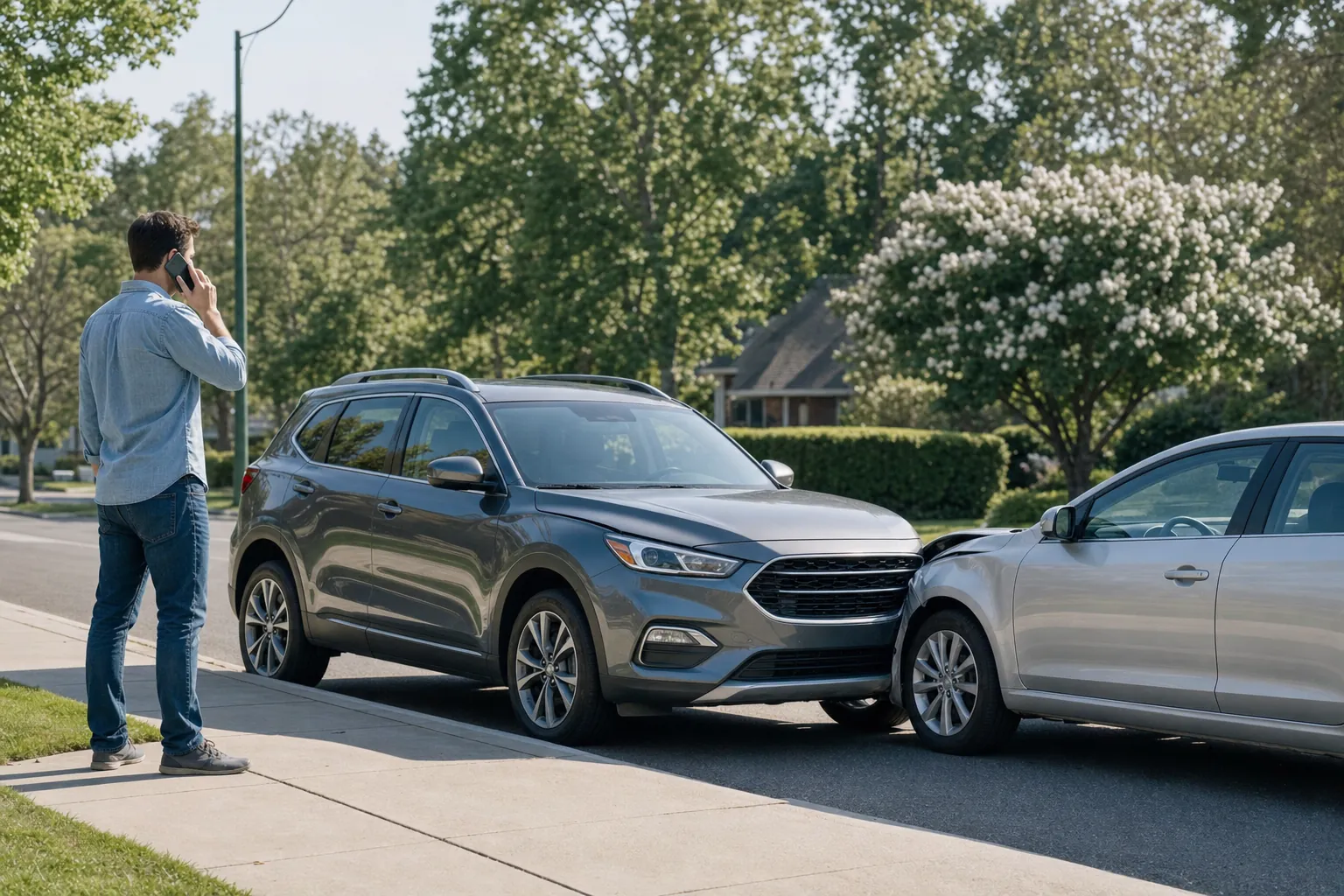
After an accident that was not your fault, getting to work, school, appointments and the repair shop can become the urgent problem before anyone gives you a clear answer about a rental car. The practical first move is to protect the facts: get safe, exchange information, report the loss and ask an insurer what it will approve before you count on a particular vehicle or rental length.
A not-at-fault accident does not create one automatic rental rule for every driver. The answer can depend on the other driver’s insurer accepting responsibility, your own policy, the vehicle damage, the repair timeline and the details of the claim. In North Carolina, the Department of Insurance says rental vehicles are commonly allowed while a car is repaired, but state law does not require an insurer to provide one in every situation. That is why a calm, specific claim conversation matters.
This guide is for planning, not legal advice. It will help you ask better questions, gather the right details and prepare for a rental conversation without assuming that fault alone settles every cost or deadline.
If you need transportation the same day, say that plainly when you call. Give the insurer or rental office the repair-shop location, your expected dates and the kind of driving you need to do. A clear explanation of your situation is more useful than a broad request for “a rental,” and it gives everyone a better chance to tell you what can actually be arranged.
Start with safety and a clean record of the accident
If anyone is hurt or the scene is unsafe, get emergency help first. If you can do so safely, move out of danger and follow the directions of law enforcement. The North Carolina Department of Insurance accident checklist recommends collecting the other driver’s name, contact details, plate number, license information and insurance details, along with witness information when available.
Take clear photos of the vehicles, their positions, visible damage and the surrounding scene if it is safe. Keep the police report number, tow information and repair-shop details together. These details do not guarantee an instant decision, but they make it easier to tell the same accurate story to your insurer, the other driver’s insurer and a rental office.
Report the accident promptly. Do not guess about fault, repair time or coverage when you make the report. Explain what happened, share the information you have and ask for a claim number and the best contact for rental questions. If you already have a repair estimate or appointment, keep that ready too.
Keep a simple timeline as you go. Note the date and time of the accident, when you reported it, each call with an insurer, when the shop inspected the vehicle and every rental instruction you receive. A short factual timeline is much more useful than trying to reconstruct the week from memory when a repair date or billing question changes.

Ask who is handling the rental and what they have approved
The key question is not simply, “Was the other driver at fault?” Ask: “Which company is handling transportation, what has been approved, and what do I need before I rent?” If you have a claim with the other driver’s insurer, it may need time to investigate and accept responsibility. If you use coverage on your own policy, the terms of that policy can control the daily amount, total limit and type of transportation it will pay for.
North Carolina describes rental reimbursement, sometimes called extended transportation expense coverage, as optional coverage that can pay transportation expenses up to a stated daily rate and total maximum. Review your declarations page or call your insurer rather than assuming you have it. The state’s explanation of rental reimbursement coverage is a useful starting point for the questions to ask.
Write down the claim number, adjuster name, phone number, approved daily amount, approved vehicle category, billing method and expected end date. Ask whether direct billing is available or whether you must pay first and seek reimbursement. That one conversation can prevent a surprise when you arrive to pick up a vehicle.
If fault is still being reviewed, ask what you can do now rather than treating silence as approval. You may have a choice between waiting for the other insurer, using coverage you already carry, or arranging a self-pay rental. Each path can have different out-of-pocket costs, paperwork and timing. The sensible choice is the one you understand, not the one that merely sounds fastest on a stressful day.
Choose a rental that fits the approval and your real needs
When an insurer has approved a rental, choose the vehicle around the transportation need and the approved arrangement. A compact car can suit commuting and errands. An SUV may make sense for passengers, equipment or a family routine. The point is to match the vehicle to the plan, not to assume a larger vehicle will be covered because it is available that day.
Ask the rental office to confirm the total arrangement before pickup: the vehicle category, rental dates, what the insurer is paying, anything you must pay, and the deposit or payment method required. Economy Car Rental can help drivers compare available vehicle types, but final availability and claim billing need to be confirmed directly for your dates.
Even when an insurance company is paying part of the rental, normal rental requirements still matter. Bring a valid driver’s license, proof of auto insurance, the claim number, adjuster information if you have it, and the payment method requested for any part of the arrangement that is not billed directly.
Before you leave the lot, take a minute to look over the rental with the team and make sure the return time, fuel expectation and contact information are clear. Save the rental agreement and any claim approval message in the same place on your phone. If you need to call later, having the vehicle and agreement details at hand makes the conversation quicker for everyone.

Do not overlook your own costs and responsibilities
Insurance approval does not make every rental expense disappear. Ask about fuel, deposits, upgrades, additional days, tolls, damage charges and any amount above the approved rate. The North Carolina Department of Justice advises renters to ask for the total charge and read the agreement before signing, because taxes, surcharges and other charges can change the final amount.
At Economy Car Rental, payment options and deposits are published so renters can plan before pickup. If a claim is paying the rental, call first to confirm how that claim arrangement works with your specific vehicle and payment method. Do not move money or accept an upgrade based on a verbal assumption.
Be clear about drivers as well. If a spouse, adult child or coworker needs to drive, tell the rental office before pickup. An approved additional driver is not the same as handing over the keys later and hoping it is fine. The guide to renting a car for someone else explains why the renter, payer and driver details need to line up before the vehicle leaves.
Keep receipts and messages that relate to the rental, including fuel receipts if the agreement requires the vehicle to be returned full. If the claim is reimbursing costs rather than billing a rental directly, ask which records it needs and where to send them. A photo of a receipt, a copy of the agreement and a short note about what the cost covered can make a later question easier to resolve.
Keep the rental plan aligned with the repair plan
A rental claim can change as the repair moves from estimate to parts order to completion. Check in with the repair shop, then update the insurer if the timeline changes. If the insurer has set an end date, do not wait until the last afternoon to ask what happens next. Get the instruction in writing when possible, including whether more time has been approved.
North Carolina’s Department of Insurance notes that a claim can involve investigation, payment, denial or a notice that investigation is continuing. A repair delay is not automatically a rental extension. Keep your claim contact informed and ask what document the insurer needs if the shop revises the completion date.
If you need to keep the rental longer than expected, contact the rental office before the scheduled return. The rental extension guide walks through the questions to ask. The office must know whether you have an approved extension, a new self-pay arrangement or a firm return plan.
If the vehicle is declared a total loss, ask the insurer to explain the next transportation step instead of assuming the repair timeline still applies. A total-loss decision can change the claim plan. Keep the question focused: what is approved today, when does that approval end, and what documentation will be needed if your transportation need continues?

How Economy Car Rental can help after an accident
A car accident is disruptive enough without a vague pickup plan. Economy Car Rental helps local drivers in Newton, Hickory and nearby communities compare a practical vehicle, understand the documents to bring and confirm the payment or claim details that apply before they come in. Every rental includes unlimited miles, which can make repair-shop trips, school runs and everyday errands easier to plan while your own car is unavailable.
Call with your dates, claim number if one is available, the vehicle size you need and the name of the insurer or adjuster handling the claim. The team can confirm current availability and explain what it needs at pickup. For a broader overview, see how insurance rentals work, then contact Economy Car Rental when you are ready to make a clear plan.
Frequently asked questions
Can I get a rental car after an accident that was not my fault?
Possibly, but do not assume it is automatic. Ask the insurer handling the claim whether rental transportation is approved, what amount and vehicle category are covered, how billing works and how long the approval lasts.
Who pays for a rental car after an accident?
It depends on the claim and coverage. The other driver’s insurer may handle the rental after accepting responsibility, while your own rental reimbursement coverage may apply under its stated limits. Confirm the arrangement with the insurer before pickup.
What should I bring to rent a car for an insurance claim?
Bring a valid driver’s license, proof of auto insurance, your claim number, the adjuster or insurer contact details if available, and the payment method requested for any amount not billed directly. Call ahead to confirm the current requirements.
Will insurance pay for every day I need a rental?
Not necessarily. Coverage and claim approval can have daily, total or time limits. Ask what date the approval currently ends, what happens if repairs are delayed and what the insurer needs to consider more time.
Can another person drive my insurance rental?
Do not assume so. Tell the rental office before pickup if another person needs to drive. The office can explain how an eligible additional driver must be listed on the agreement.
Helpful next steps
Related guides
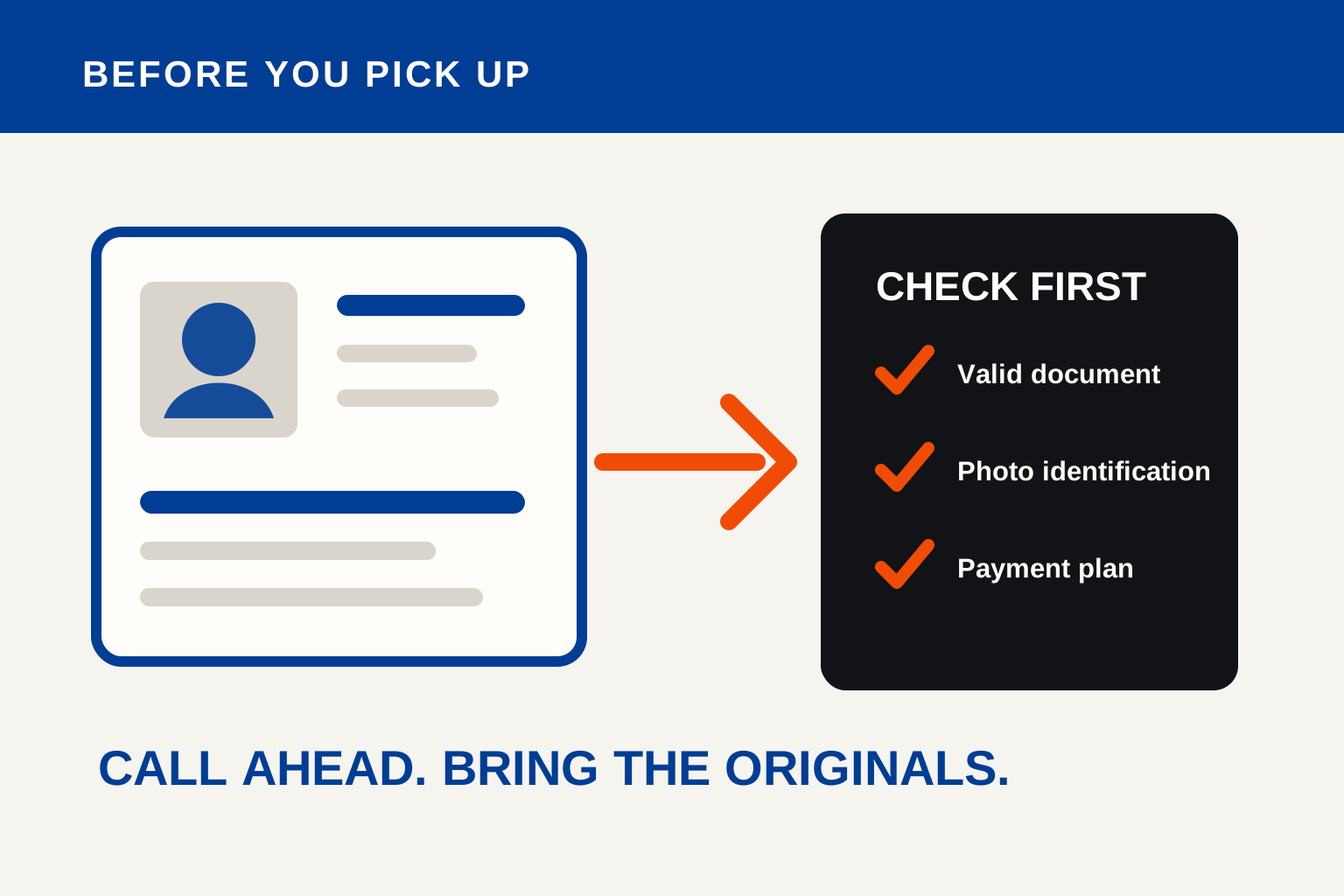 Can You Rent a Car With a Temporary License?A temporary license may be accepted, but call ahead first. Learn what documents and details to confirm before rental pickup in Newton, NC.
 What Happens If You Return a Rental Car Late?Returning a rental car late? Call early, confirm charges or an extension, and make a clear return plan with Economy Car Rental in Newton, NC.
 Can You Rent a Car With Cash App?Can you rent a car with Cash App? Learn what to confirm about payment, deposits, available funds and pickup before you call Economy Car Rental.