Rental guide · November 10, 2026
Does My Car Insurance Cover a Rental Car? What to Check
Find out what to ask your insurer before you rely on personal auto insurance for a rental car in North Carolina.
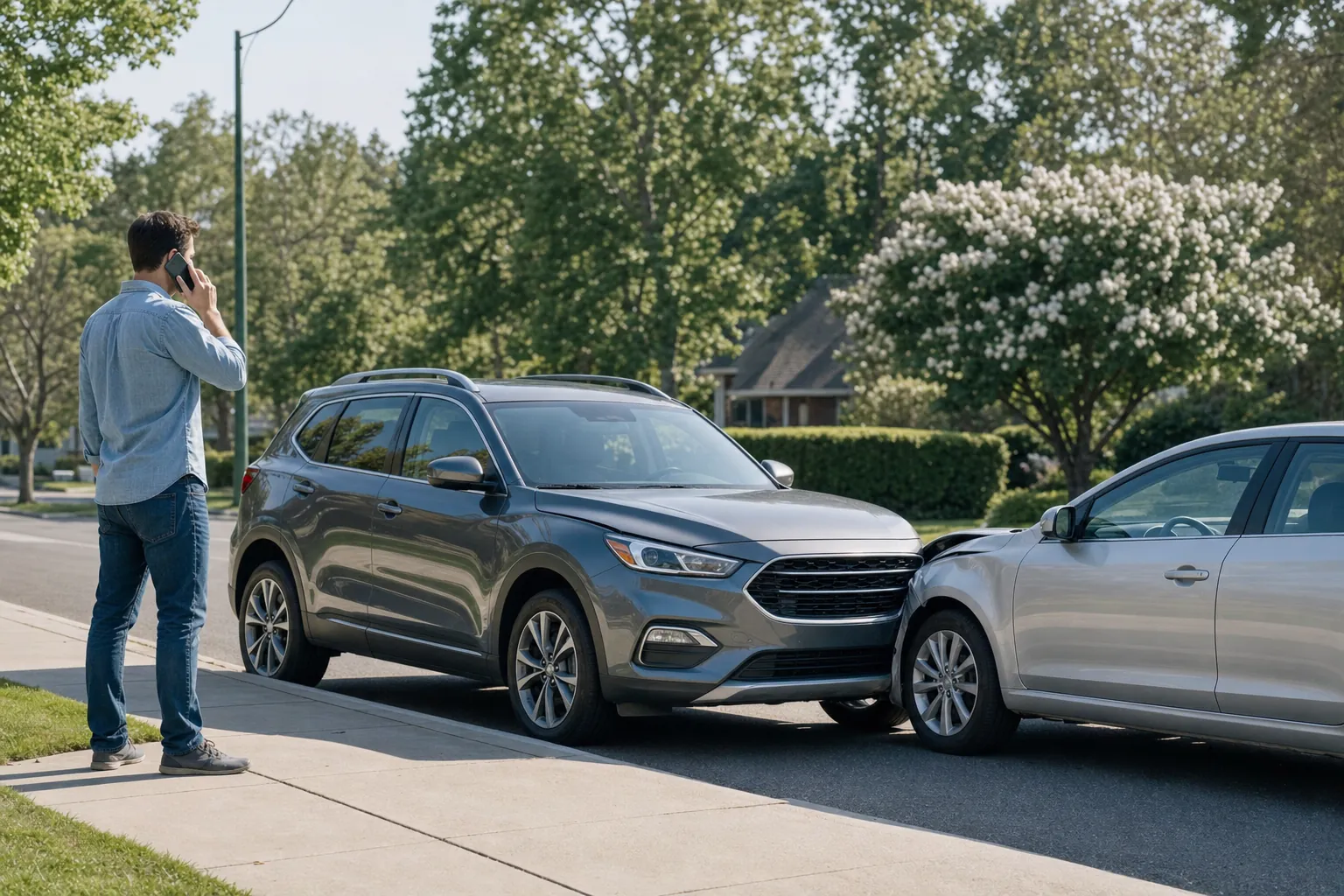
Maybe, but do not rely on a quick yes from a search result or a memory of what your policy used to say. A personal auto policy can sometimes extend certain protections to a rental car, but the answer depends on your policy, the vehicle, the purpose of the rental, the place you are driving and the coverage you actually carry. The safest answer is the one your insurer gives you for the rental you are about to take.
This question can mean two different things. You may be asking whether your policy protects you while you drive a rental on a personal trip. Or you may need a rental because your own car is in the shop after an accident, theft or another covered loss. Those are related insurance questions, but they can involve different parts of a policy and different limits.
For North Carolina drivers, the North Carolina Department of Insurance says an auto policy may provide coverage while using a rental vehicle under certain conditions, and it advises drivers to contact their agent for the specifics. This guide helps you make that call productive. It is general information, not insurance or legal advice, and your policy and insurer are the final word.
Start by separating the two rental questions
The first question is about protection for the rental vehicle you are driving. Depending on the policy, liability coverage may help with injury or property damage you cause, while collision and comprehensive coverage may matter if the rental is damaged or stolen. A deductible, policy limit or exclusion can still apply. Having personal auto insurance does not automatically mean every part of every rental is covered.
The second question is about paying for a replacement rental while your own vehicle is unavailable. That is often called rental reimbursement or transportation-expense coverage. It is not the same as collision coverage on a rental you choose for a trip. North Carolina describes extended transportation-expense coverage as optional coverage that can pay transportation expenses up to a daily rate and total maximum after a covered loss. Read the state’s overview of auto coverages before assuming a repair delay creates an open-ended rental benefit.
Keeping these questions separate prevents a very common mix-up. A policy might help protect you while you drive a rental, yet not pay for the rental itself while your car is being repaired. It could also offer rental reimbursement with a daily cap that is lower than the vehicle you want. Ask which question your insurer is answering before you make plans.

Check what your own policy actually includes
Pull up your declarations page, insurance card or insurer app before you call. Look for the liability limits you selected and whether collision, comprehensive or rental reimbursement are listed. Do not worry if the wording is unfamiliar. The useful goal is to have the policy number and coverage names in front of you so the representative can speak about your actual policy instead of giving a generic explanation.
The National Association of Insurance Commissioners notes that rental companies offer several coverage options that an existing policy may already cover. “May” is important. Your deductible can still apply, limits may be different from the rental company’s requirements, and some costs may not fall neatly into the protection you expect. Ask the insurer to explain the answer in plain language and make a note of the representative’s name and the date of the call.
If you carry liability-only coverage, ask directly whether damage to the rental itself would be covered. If you have collision and comprehensive coverage, ask whether they extend to the class of car you are renting and whether the same deductible applies. Those details turn a vague sense of being insured into a decision you can actually make at pickup.
Ask these questions before you pick up the keys
A short, specific call is better than trying to interpret policy language at the counter. Tell your insurer where you are renting, how long you expect to have the vehicle, what type of vehicle you need and whether the rental is for personal use, work, a repair claim or travel. Then ask: Does my policy cover liability while I drive this rental? Does it cover damage or theft of the rental? What deductible would apply? Are there vehicle, location, driver or rental-length limits? Are loss-of-use, towing, administrative charges or diminished-value claims included or excluded?
Also ask whether anyone else who may drive needs to be named or meet a particular requirement. A household member, spouse or coworker may not be in the same position under every policy or rental agreement. The rental process overview explains the basic documents to bring, and the guide to renting a car for someone else explains why the renter, driver and payer should be clear before the vehicle leaves the lot.
Write down the answer rather than relying on a verbal summary from a friend, an online forum or a counter employee. If the insurer says the coverage applies only if you decline a rental-company option, use a specific card, rent in a certain place or stay under a certain number of days, ask it to confirm that condition in writing. Clear facts now can prevent a dispute later.

Know when a rental-company option may still matter
A rental company can offer a damage waiver, supplemental liability protection, personal accident coverage or coverage for belongings. Those products are not interchangeable, and a waiver is not always the same thing as insurance. Whether you need one depends on the gaps in your existing policy, your comfort with the deductible and the terms of the specific rental agreement.
For example, your personal policy might extend liability and physical-damage coverage but leave you exposed to a deductible or a charge that your insurer does not pay. An insurer may also limit coverage for certain rental types, longer rentals, business use or rentals outside the United States. The NJM rental-car coverage explanation gives a useful example of why policy terms, state rules and the reason for the rental can change the answer.
This does not mean every renter should automatically add every option offered at the counter. It means the choice should come from a confirmed coverage picture. If you do not know what your policy covers, pause and call the insurer. A few minutes of clarity is better than declining or buying protection based only on a guess.
If your car is in the shop, confirm the claim plan
When you need transportation because your own car is damaged, begin with the claim number, the adjuster and the repair-shop estimate. Ask whether the insurer has approved a rental, which vehicle class is approved, the daily and total limit, the billing method and the date the approval currently ends. If another driver may be responsible, their insurer may need time to investigate before it accepts the claim.
Do not assume a repair delay automatically extends a rental. A longer repair can require a new approval, and a total-loss decision can change the transportation plan entirely. The article on how long insurance pays for a rental car walks through the details to confirm when a claim is paying. Keep the rental office updated before the approved end date or scheduled return time arrives.
At Economy Car Rental, an insurance-related rental starts with the same practical preparation as any other rental: call with your dates, explain the vehicle you need and have your claim details ready when they are available. The insurance rental page explains the key questions to settle with an adjuster before pickup. That helps you arrive with a clear plan instead of hoping billing will sort itself out later.

Use your credit-card benefit as a separate check
A credit card may offer rental-car protection, but that benefit can have its own rules. It may require you to pay for the rental with that card, decline the rental company’s damage waiver or use the benefit only after another policy pays. Some cards cover damage to the rental vehicle but not liability for injuries or damage you cause to others.
Call the number on the back of the card or review the current benefit guide before relying on it. Ask whether the benefit is primary or secondary, what it excludes, whether it covers your destination and vehicle type, and what steps are required if there is a loss. Never assume a card benefit replaces every kind of protection in your auto policy.
If you are paying with cash, debit, a prepaid card or a mobile-payment option, a credit-card benefit may not be part of your plan at all. Economy Car Rental accepts several payment options, and the payments and deposits page shows the published deposit starting points. Call ahead so the team can confirm the payment and deposit details that apply to your dates.
How Economy Car Rental can help you prepare
Economy Car Rental cannot interpret or approve an insurance policy, but the local team can help you prepare for the rental side of the conversation. Tell the team when you need the vehicle, how long you expect to keep it, the type of driving you need to do and whether an insurer is involved. It can confirm availability and explain what you need for pickup.
For insurance rentals, bring a valid driver’s license, proof of insurance, the claim number and adjuster details when you have them, plus the payment method requested for any amount not billed directly. Review the available vehicle types before you call if you need to compare space for commuting, family travel or a repair-week routine. Economy Car Rental includes unlimited miles on every rental, which can make regular errands and repair-shop trips easier to manage while your own vehicle is unavailable.
The best sequence is simple: confirm coverage with the insurer, confirm the rental details with the office, then review the agreement before driving away. That approach gives you a clearer answer than a generic rule and helps avoid a costly surprise at a time when you already have enough to handle.
Frequently asked questions
Does my car insurance cover a rental car?
It may, depending on your policy, the vehicle, the purpose of the rental and where you drive. Call your insurer before pickup and ask about liability, damage, theft, deductibles, limits and exclusions for the rental you plan to take.
Will my policy pay for a rental while my car is being repaired?
That is a separate question from coverage while you drive a rental. Ask whether you have rental reimbursement or transportation-expense coverage, what daily and total limits apply, how billing works and when approval ends.
Do I need the rental company’s insurance if I already have auto insurance?
Possibly not, but do not decide from a general rule. Confirm which parts of your policy extend to the rental, the deductible and any gaps such as loss of use, vehicle type, location or rental length before you choose a rental-company option.
Does a credit card cover rental cars?
Some cards offer rental-car benefits, but their terms can differ from your auto policy. Check whether the card requires you to pay with it, decline a damage waiver or meet other conditions, and ask what types of loss it covers.
What should I ask my insurer before renting a car?
Ask whether your policy covers liability, damage and theft for the specific rental; what deductible and limits apply; whether there are restrictions on drivers, vehicle type, location, rental length or business use; and whether loss-of-use or administrative charges are covered.
Helpful next steps
Related guides
 Rental Car Additional Driver: What to Know Before PickupHow to add another driver to a rental car, what to bring to pickup and why the agreement matters before anyone gets behind the wheel.
 Can You Rent a Car Without Insurance?What to confirm about protection, payment and pickup before renting a car in North Carolina without your own auto policy.
 Unlimited Miles Rental Car: What to Check Before You DriveLearn what unlimited miles means, when it helps, and what to confirm before a rental from Economy Car Rental in Newton, NC.