Rental guide · July 21, 2026
Car Rental for an Insurance Claim Made Simple
Need a car while yours is in the shop? Learn how car rental for an insurance claim works, what to confirm, and how to avoid surprise costs before pickup.
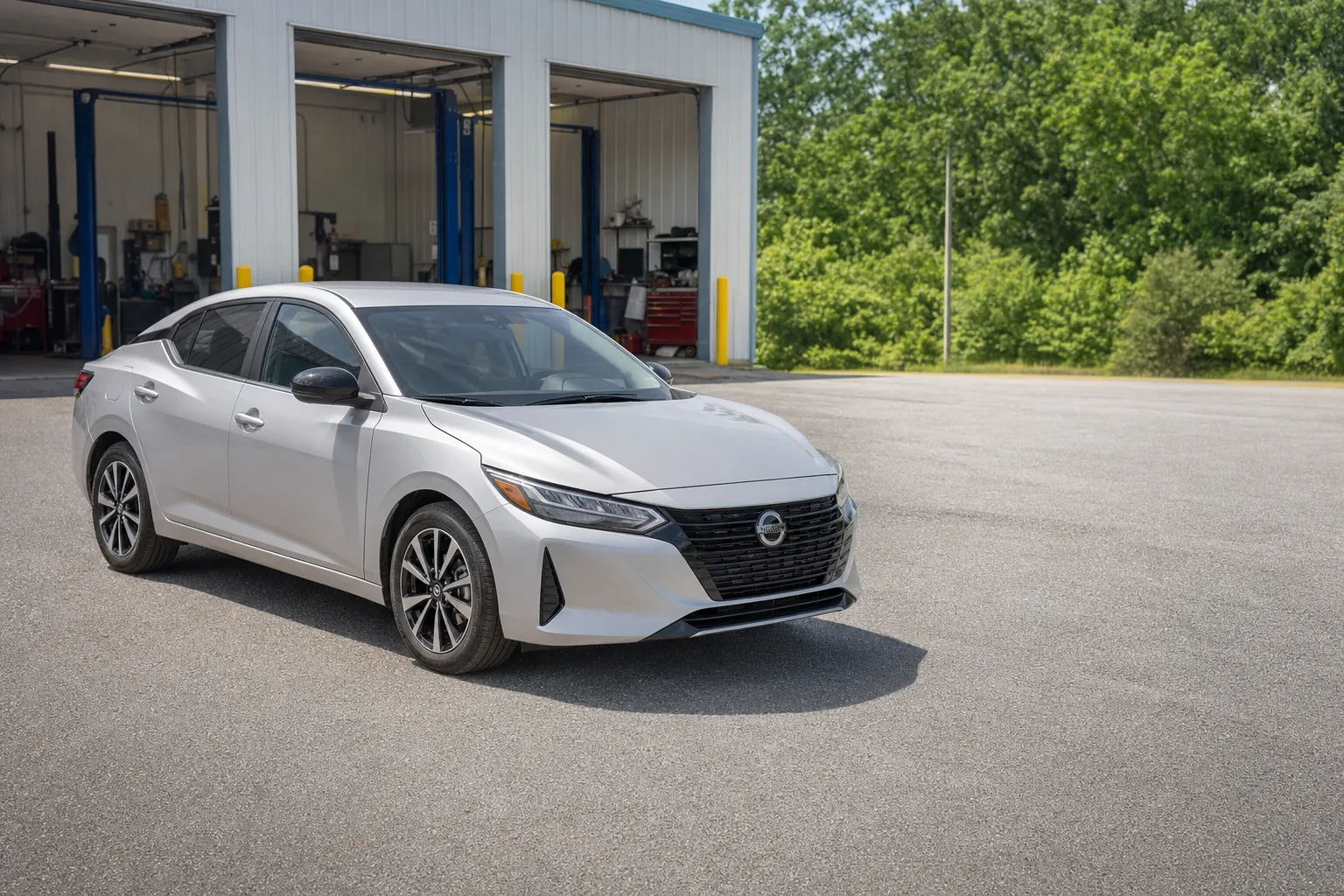
When your vehicle is damaged, the biggest problem is often not the repair itself. It is getting to work, picking up kids, making appointments, and handling everything else while your car is unavailable. A car rental for an insurance claim can keep your routine moving, but it helps to know who is paying, how long coverage lasts, and what to confirm before you pick up the keys.
The fastest way to avoid confusion is to speak with your insurance adjuster and the rental agency early. A few clear answers before pickup can prevent a bill you did not expect later.
How Car Rental for an Insurance Claim Usually Works
Rental coverage may come from your own auto policy, the at-fault driver's insurer, or a claim handled through another party. The details depend on the accident, the policy, and whether the insurer has accepted responsibility. Do not assume that a rental is automatically covered just because your vehicle is being repaired.
If you are using your own policy, look for rental reimbursement coverage. This is an optional coverage on many policies that helps pay for a temporary replacement vehicle after a covered loss. It usually has a daily limit and a maximum total amount. For example, a policy may cover a set amount per day for a limited number of days. If the vehicle you choose costs more than that daily amount, you may be responsible for the difference.
If another driver caused the accident, their insurer may arrange and pay for a comparable rental while your vehicle is being repaired. In some situations, you may need to pay for the rental first and seek reimbursement. Ask the adjuster which arrangement applies to your claim before you reserve a car.
Coverage generally begins when your vehicle cannot safely be driven or is dropped off for repairs. It generally ends when repairs are complete, when the insurer determines your vehicle is a total loss, or when the policy limit is reached. The exact date matters. Waiting several days to return a rental after repair completion can leave you paying out of pocket.
Confirm These Details Before You Rent
A quick phone call can save time at the counter. Have your claim number available and ask the adjuster about the rental plan, not just whether you have rental coverage.
Confirm these four points: The daily rental amount the insurer will pay and the total limit for the claim. Whether the insurance company will bill the rental agency directly or reimburse you after payment. The approved vehicle class, such as economy, compact, sedan, or SUV. The date coverage starts and the event that ends it.
Also ask whether taxes, required fees, additional drivers, fuel, protection plans, and optional equipment are included in the approved amount. Insurance coverage often pays for a basic replacement vehicle, not every optional service. If you upgrade to a larger vehicle or add extras, that may be your choice to pay for.
Be direct about what you actually need. A compact car may be the most affordable choice for commuting and errands. A family with car seats, work equipment, or regular highway travel may need more space. The right rental is the one that fits your daily needs without going beyond the approved coverage unless you are comfortable paying the difference.
Direct Billing vs. Paying First
Direct billing is simple when it is available. The insurer provides claim information and approval to the rental agency, and the agency bills the insurance company for covered rental charges. You may still need to provide a payment card or deposit for items the insurer does not cover, possible extensions, fuel charges, damage, or other responsibilities under the rental agreement.
Reimbursement works differently. You pay the rental charges yourself, keep your paperwork, and submit the receipt to the insurance company. This approach can give you more flexibility, but it requires more attention to the policy limits. Spending more than the approved daily rate does not guarantee the insurer will repay the full amount.
Do not rely on a verbal assumption from a repair shop, another driver, or a friend. Get the claim number, the adjuster's contact information, and clear direction on billing. If anything changes during repairs, notify the insurer before the approved rental period runs out.
Choosing a Rental That Keeps Costs Predictable
A rental claim is easier when the vehicle and the agreement are straightforward. Ask for the daily rate, the deposit requirement, and the estimated total before pickup. Read the agreement before signing, especially the fuel policy, return time, authorized-driver rules, and responsibility for tolls, tickets, or damage.
Mileage is another practical detail. If you are driving from Hickory to work in Charlotte, visiting family, or making repeated trips to medical appointments, mileage limits can become an unexpected concern. A rental with unlimited miles gives you room to handle the trips you need to make without watching an odometer. Still, the insurance company may only pay up to its approved daily amount, so confirm the full rate first.
Your payment method also matters. Some people dealing with an accident do not have a traditional credit card available, especially when other expenses are already piling up. Ask the rental agency what forms of payment it accepts and what identification, deposit, or other requirements apply. Never assume every payment method has the same terms.
At Economy Car Rental, customers can ask about affordable replacement vehicles, unlimited miles, and payment options including cash, debit, and credit cards. Calling before you arrive is the best way to confirm availability and the requirements for your specific rental.
Keep the Claim Moving While Your Car Is in the Shop
Repairs do not always follow the original estimate. A shop may find hidden damage after work begins, parts may take longer to arrive, or an insurer may need to approve additional repairs. Those delays can affect your rental period.
Stay in touch with both the repair shop and your adjuster. If the shop expects a delay, contact the insurer before your rental authorization expires. Waiting until the last day can make an extension harder to arrange. Ask the adjuster whether additional days are approved and make sure the rental agency receives any needed update.
If your vehicle is declared a total loss, rental coverage may end shortly after the settlement offer or payment is issued. This can feel sudden, particularly if you have not yet purchased another vehicle. Ask the adjuster what date applies in your case, then plan ahead for transportation after that date.
It also helps to keep a simple record of your rental paperwork. Save the rental agreement, receipts, extension approvals, claim number, and the names of people you spoke with. You may never need every document, but having it available makes billing questions much easier to resolve.
Common Mistakes That Lead to Out-of-Pocket Charges
The most common problem is choosing a vehicle that costs more than the daily coverage limit. The rental may still be worth it if you need the extra room, but know the difference before you sign. Another issue is returning the vehicle late after repairs are done or coverage has ended.
Fuel is also easy to overlook. If your agreement requires the vehicle to be returned with the same fuel level, refueling before return is usually the lower-cost option. Tickets, toll charges, unauthorized drivers, and damage to the rental can create separate responsibilities as well. These costs are not automatically part of an insurance claim.
Finally, do not let repair delays turn into a communication gap. If your shop says the car will not be ready, call the insurer. If the insurer approves more days, tell the rental agency. A short call at the right time can keep a small issue from becoming a larger bill.
A damaged vehicle can disrupt enough of your life without making transportation harder. Get the claim details first, choose a dependable rental that fits your approved coverage, and keep the adjuster informed as repairs move forward. That gives you a practical way to stay on the road until your own vehicle is ready again.
Related guides
 How to Extend a Rental Car Before Your Return TimeNeed more time with a rental car? Learn what to ask, when to call, and how to avoid a gap in transportation when plans change.
 Can I Rent a Car for Someone Else?Can you rent a car for someone else? Learn who needs to be on the agreement, what to confirm about payment and insurance, and how to avoid a delay at pickup.
 How Old Do You Have to Be to Rent a Car?At Economy Car Rental, renters must be 21 or older. Bring a valid license, proof of insurance and an accepted payment method before pickup.